
Longevity
Longevity Medicine Without the Hype: What the Science Actually Says About Living Better, Longer
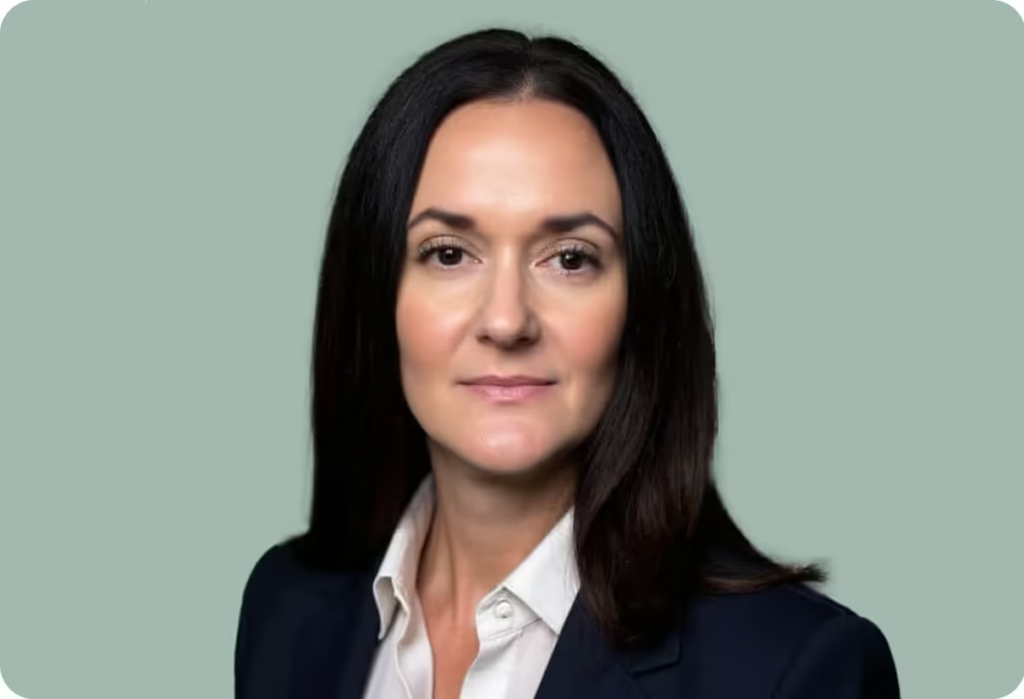 Dr. Jennifer KnightMD, FACP, MSCP, ABOIM
- Published
- Reading Time
- 12 min
This article is for educational purposes and is not a substitute for personalized medical advice.
Longevity medicine is having a moment.
Everywhere I look, there is another supplement promising to slow aging. Another wearable tracking a new metric. Another peptide, biomarker, biological-age test, or “biohack” we’re told could help us live longer.
Some of it is fascinating.
Some of it may eventually change medicine.
And some of it is getting far ahead of science.
I say that as a physician who is genuinely excited about longevity medicine. I believe we are learning more about aging, prevention, and healthspan than ever before. I also believe we need to be careful not to confuse what’s interesting with what’s proven.
Because if your goal is to live a longer, healthier life, the most important things we know today aren’t particularly futuristic.
They’re cardiovascular fitness.
Muscle.
Metabolic health.
Sleep.
Nutrition.
Relationships and connection.
Preventive care.
And understanding your individual risks early enough to do something about them.
They’re not as exciting as the latest biohack.
But the evidence behind them is much harder to ignore.
First, What Do We Mean by Longevity?
When people hear “longevity,” they often think about lifespan: How long can I live?
That’s part of it.
But I’m much more interested in healthspan: how long you remain healthy, functional, independent, and able to participate in the life you’ve built.
Living to 95 sounds wonderful.
But what do those later decades look like?
Can you travel?
Can you climb stairs?
Can you get yourself off the floor?
Can you carry your groceries?
Can you think clearly, maintain relationships, pursue interests, and live independently?
That’s the longevity conversation I want to have.
The goal isn’t simply more years.
It’s more good years.
Cardiovascular Fitness Is Hard to Ignore
If we’re going to talk seriously about longevity, we have to talk about cardiovascular fitness.
Cardiorespiratory fitness reflects how effectively your heart, lungs, circulation, and muscles work together during physical activity. VO₂ max is one way we can objectively measure that capacity.
I like VO₂ max because it moves the conversation beyond vague advice to “exercise more.”
It gives us a starting point.
And unlike your age or genetics, fitness is something we can often improve.
That doesn’t mean everyone needs to become an endurance athlete. It means we should recognize cardiovascular fitness as an important part of the health picture and train it intentionally.
The body adapts to what we ask it to do.
Muscle May Be One of Our Most Underrated Longevity Assets
I feel just as strongly about muscle.
We tend to associate muscle with appearance or athletic performance.
I want us to stop thinking about it that way.
Muscle is metabolically active tissue. It plays an important role in glucose metabolism. It supports our bones and joints. It helps us maintain balance, mobility, and physical function.
And we tend to lose it as we age.
For women, this becomes particularly relevant during and after the menopausal transition, when changes in hormones, bone health, body composition, and metabolism can begin to intersect.
The muscle you build and preserve in your 40s, 50s, and 60s becomes part of the physical reserve you carry into your 70s and 80s.
That’s why resistance training isn’t just a fitness recommendation in my mind.
It’s part of a longevity strategy.
Metabolic Health Matters Before You Have Diabetes
Traditional medicine often works around diagnostic thresholds.
At some point, blood sugar becomes high enough to meet criteria for prediabetes or diabetes. Blood pressure becomes hypertension. Cholesterol reaches a level that prompts a different conversation.
Those thresholds are important.
But your physiology doesn’t suddenly change the morning a laboratory value crosses a diagnostic line.
Risk develops over time.
That’s why I want to understand metabolic health before someone develops overt disease.
What is happening with glucose?
Blood pressure?
Lipids?
Body composition?
Physical activity?
Sleep?
Family history?
And how are those factors changing over time?
A single laboratory result may be reassuring. A trajectory can tell us something different.
Longevity medicine gives us an opportunity to recognize those patterns earlier. Not so we can label healthy people as sick, but so we can intervene when lifestyle changes and preventive strategies may have the greatest opportunity to help.
Sleep Is Not Optional Maintenance
Sleep tends to be the thing people sacrifice while trying to improve everything else.
They wake up earlier to exercise.
Stay up later to work.
Rely on caffeine to get through the afternoon.
Then wonder why their energy, appetite, recovery, and mood feel increasingly difficult to manage.
Sleep is biology.
It affects metabolic regulation, cardiovascular health, cognition, mood, appetite, immune function, and physical recovery.
And “get more sleep” isn’t always an adequate prescription.
If someone isn’t sleeping well, I want to know why.
Is it stress?
Menopause?
Alcohol?
Sleep apnea?
Pain?
Medication?
An inconsistent schedule?
There is a big difference between knowing sleep matters and understanding what is preventing someone from getting restorative sleep.
That’s where individualized medicine matters.
Nutrition Is Actually Pretty Simple
Few areas of health generate more certainty from less certainty than nutrition.
Low carb.
Low fat.
Plant-based.
Carnivore.
Fasting.
Six small meals.
Don’t eat after 7 p.m.
Eat within 30 minutes of waking.
Everyone seems to have the answer.
I don’t think nutrition needs to be that complicated, or ideological.
For most people, the fundamentals are remarkably similar: prioritize whole and minimally processed foods, eat enough protein to support and preserve muscle, get plenty of fiber and plants, and choose foods that support your individual metabolic health.
The specifics, however, can vary considerably from person to person.
A woman trying to preserve muscle during weight loss may need a very different strategy from someone training for an endurance event. Someone with significant insulin resistance may require different considerations from someone who is metabolically healthy. Food intolerances, gastrointestinal conditions, medications, activity level, age, and goals can all change the details.
So when someone tells you there is one perfect way of eating for everyone, I’m skeptical.
There are broad principles we can agree on (eat real food, minimize highly processed foods, prioritize protein and fiber), but beyond that, good nutrition should be individualized.
The best nutrition plan isn’t the one getting the most attention online.
It’s the one that supports your physiology, your goals, and your health, and that you can actually sustain.
Relationships Belong in the Longevity Conversation
This one doesn’t come in a bottle.
And you can’t measure it with a wearable.
But our social lives matter.
Connection, purpose, community, and meaningful relationships aren’t just nice additions to a healthy life. They are part of health itself.
And the research here is striking.
A landmark meta-analysis involving more than 300,000 people (Holt-Lunstad, Smith and Layton, PLoS Medicine, 2010) found that individuals with stronger social relationships had approximately 50% greater odds of survival compared with those who were less socially connected.
In fact, the association between social relationships and premature mortality was comparable in magnitude to established risk factors such as smoking, and greater than those associated with physical inactivity and obesity in the researchers’ comparisons.
Think about that.
We spend so much time talking about cholesterol, blood pressure, exercise, and nutrition. Yet how connected we are to the people around us may also have profound implications for how long, and how well, we live.
I think this gets lost when longevity becomes too focused on biomarkers.
You can eat beautifully, exercise regularly, track your sleep, and have an impressive spreadsheet of laboratory values.
But health isn’t a spreadsheet.
If a “longevity” routine makes your life increasingly isolated, anxious, restrictive, or consumed with monitoring yourself, I think we need to ask what we’re actually trying to accomplish.
The point of extending healthspan is to have more life to live.
More time with the people you love. More experiences. More connection. More purpose.
Longevity is about living.
What About Supplements?
Supplements are another area where I think we need more nuance.
I do believe supplements can play an important role in a thoughtful longevity strategy.
Even with a good diet, there are nutrients that many people don’t consistently get enough of. Omega-3 intake is often low. Magnesium intake can be inadequate. Vitamin D levels vary considerably based on sun exposure, geography, diet, age, and individual biology.
And someone’s nutritional needs may be affected by medications, gastrointestinal health, dietary restrictions, genetics, or specific health conditions.
That’s why I often use a few foundational supplements in most of my patients.
But after that foundation, supplementation should become much more personalized.
What does this particular person actually need?
What are we trying to accomplish?
Is there a deficiency we’re correcting? A physiologic pathway we’re trying to support? A specific risk factor or symptom we’re addressing?
When supplements are chosen for the right person, for the right reason, they can be incredibly useful.
But more isn’t better.
And quality matters tremendously.
Where a supplement comes from, how it is manufactured, the form of the nutrient, the dose, third-party testing, purity, and what else is in the product can all matter.
A supplement isn’t automatically beneficial simply because it’s “natural,” and two bottles with the same ingredient listed on the front aren’t necessarily equivalent.
That’s why I’m very particular about what I recommend and where it comes from.
Related: Not All Supplements Are Created Equal: How to Choose the Ones That Truly Work
And supplements still don’t replace the fundamentals.
They should complement good nutrition, sleep, exercise, muscle, metabolic health, and preventive care, not become a substitute for them.
This Is Where Longevity Medicine Gets Really Exciting
We’ve spent much of modern medicine getting better at diagnosing and treating disease.
But now we’re also getting better at asking a different question:
Can we understand what’s happening in the body earlier, and potentially change the trajectory before disease develops?
That’s the part of longevity medicine that really excites me.
We’re learning more about mitochondrial function, cellular aging, inflammation, metabolism, epigenetics, and the pathways that influence how we age.
We’re developing better ways to measure what’s happening inside the body. And we’re studying interventions that may eventually allow us to influence some of those processes.
Some of this is already useful in clinical practice.
Some of it is promising but early.
And some of what we’re excited about today will probably look very different ten years from now.
That’s okay. That’s how medicine advances.
Biological-age testing is one example. Some newer measures are associated with future health outcomes and mortality. We’re now asking whether we can identify when someone appears to be aging faster biologically, and whether changing that trajectory actually changes long-term health.
Then there are emerging therapies targeting cellular senescence, mitochondrial health, metabolic pathways, inflammation, and other mechanisms associated with aging.
Will all of them ultimately work?
Probably not.
But could some of them fundamentally change how we approach aging and disease? I think that’s a very exciting possibility.
I don’t think we need to choose between evidence-based medicine and innovation.
We can use what we already know improves healthspan while staying curious about what comes next.
Because the future of longevity medicine may not simply be about diagnosing disease sooner.
It may be about understanding our individual risks earlier, intervening more precisely, and ultimately changing the trajectory of how we age.
That’s the future of longevity medicine I’m excited about.
More Testing Can Be Better Medicine, When We Know What to Do With the Data
We can measure more than ever before.
And unlike some conversations around longevity medicine, I actually think that’s a very good thing.
Traditional preventive medicine often doesn’t look deeply enough.
A standard annual physical may tell you that your basic laboratory values fall within a reference range. But that doesn’t necessarily tell us everything we might want to know about your cardiovascular risk, metabolic health, body composition, fitness, bone health, nutritional status, or how those things are changing over time.
I like data.
Advanced cardiovascular markers. Glucose and insulin. Nutrient levels. Hormones when clinically appropriate. Body composition. Visceral fat. Bone density. VO₂ max. Genetics in selected situations. Imaging when indicated.
The ability to measure more gives us an opportunity to understand someone’s physiology and risks earlier and more comprehensively.
There is an important distinction between more useful data and simply more data.
Before ordering a test, I still want to know:
What question are we trying to answer?
Is the test reliable?
Will the result help us better understand risk?
And most importantly, could it change what we do?
Sometimes testing identifies a problem years before it would otherwise have been recognized.
Sometimes it gives us a baseline that allows us to see a trajectory developing over time.
Sometimes it helps us personalize an intervention instead of guessing.
The answer isn’t to test less. It’s to test thoughtfully.
That’s the kind of longevity medicine I believe in: look more deeply when it can help us understand the individual, but make sure the information we collect has a purpose.
Your Personal Risk Matters More Than Someone Else’s Protocol
This is also why I don’t believe in a universal longevity protocol.
Your family history matters.
Your cardiovascular risk matters.
Your menopause status matters.
Your body composition matters.
Your metabolic health matters.
Your fitness matters.
Your sleep matters.
Your medications, symptoms, lifestyle, goals, and medical history matter.
The person with a strong family history of premature cardiovascular disease may need a very different preventive strategy from someone whose greatest long-term risk is declining muscle and bone density.
That’s the part of longevity medicine I find most valuable.
Not creating a longer list of things everyone should be doing.
Creating a clearer picture of your individual risks, and then building a strategy around the things we can meaningfully change.
Prevention Is Still One of Our Most Powerful Longevity Tools
There is something almost ironic about modern longevity medicine.
We’re searching for sophisticated ways to slow aging while many of our most powerful opportunities involve preventing or delaying diseases we already understand.
Cardiovascular disease.
Type 2 diabetes.
Osteoporosis.
Frailty.
Certain cancers.
Loss of mobility.
Some of this work is decidedly unglamorous.
Know your blood pressure.
Understand your cardiovascular risk.
Get appropriate cancer screening.
Pay attention to bone health.
Exercise.
Build muscle.
Don’t smoke.
Sleep.
Eat well.
Address metabolic dysfunction.
Maintain relationships.
Keep showing up for preventive care.
None of these things guarantees a long life.
There are no guarantees here.
But longevity medicine should begin with the interventions supported by the strongest evidence, not skip over them because something newer sounds more exciting.
The Future Is Exciting
I am optimistic about longevity medicine.
I think we’re going to learn extraordinary things over the next decade about aging, prevention, biomarkers, and how to identify risk earlier.
There may be therapies we aren’t routinely using today that become important parts of medicine tomorrow.
I’m open to that.
But I also think one of the most responsible things a physician can say is:
We don’t know yet.
We don’t have to choose between conventional medicine and innovation.
We don’t have to choose between being curious and being skeptical.
We can use what is well supported today, thoughtfully incorporate tools that provide meaningful information, and follow emerging research closely enough to change our approach when the evidence changes.
That’s how I think about longevity medicine at Nova Wellness.
Start with the fundamentals.
Understand the individual.
Measure what matters.
Intervene where we can meaningfully change risk.
Stay curious about what comes next.
Because the goal isn’t to win a competition for the lowest biological age or the longest supplement list.
It’s much simpler than that.
Stay strong. Stay capable. Protect your health. And give yourself the best opportunity to keep living the life you want for as long as possible.
About the Author
Dr. Jennifer Knight
MD, FACP, MSCP, ABOIM
Dr. Knight is an internist certified in integrative medicine by the American Board of Integrative Medicine, a graduate of the Andrew Weil Center for Integrative Medicine fellowship, and a Menopause Society Certified Practitioner. She leads women's health at Nova, including perimenopause, menopause, and hormone therapy, along with functional and integrative medicine.
About Dr. Knight